Construction Industry News


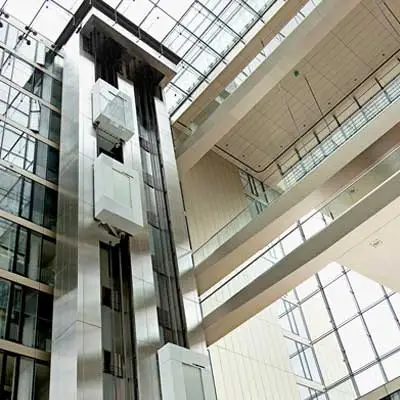
Manish Mehan, Managing Director and CEO, TK Elevators India takes an in-depth look at the technical improvements required for high-rise elevators.
India, the second most populous country in the world, is currently witnessing a land scarcity. Continued migration to metropolises, insufficient space and densely populated cities have led to congestion, making high-rise buildings a necessity and a practical way to meet the growing needs of growing cities. With this rising demand, there was an equally great need for advancement in the elevator industry for achievable and trouble-free circulation.
Despite the rapid development, however, there are also regular challenges. Here they are with technical improvements for the same.
The main barrier in the high-rise elevator segment is that, despite being a fastest-growing segment, it's not the most high-tech. The number of high-rise buildings built is relatively small in India and the elevators they come with generally have slow speeds and less sophisticated control systems.
While newer societies can install modern elevators, they lack maintenance. They also change leadership every year, which creates continuity problems.
 6417
6417
 7999
7999

 35910
64638
35910
64638
 290
560
290
560
 2400
6000
2400
6000
 2899
5888
2899
5888
 8999
15999
8999
15999
 442
999
442
999
 1239
2499
1239
2499
 50259
101599
50259
101599
 1300
1600
1300
1600
 2789
6499
2789
6499
 4749
8299
4749
8299