Construction Industry News


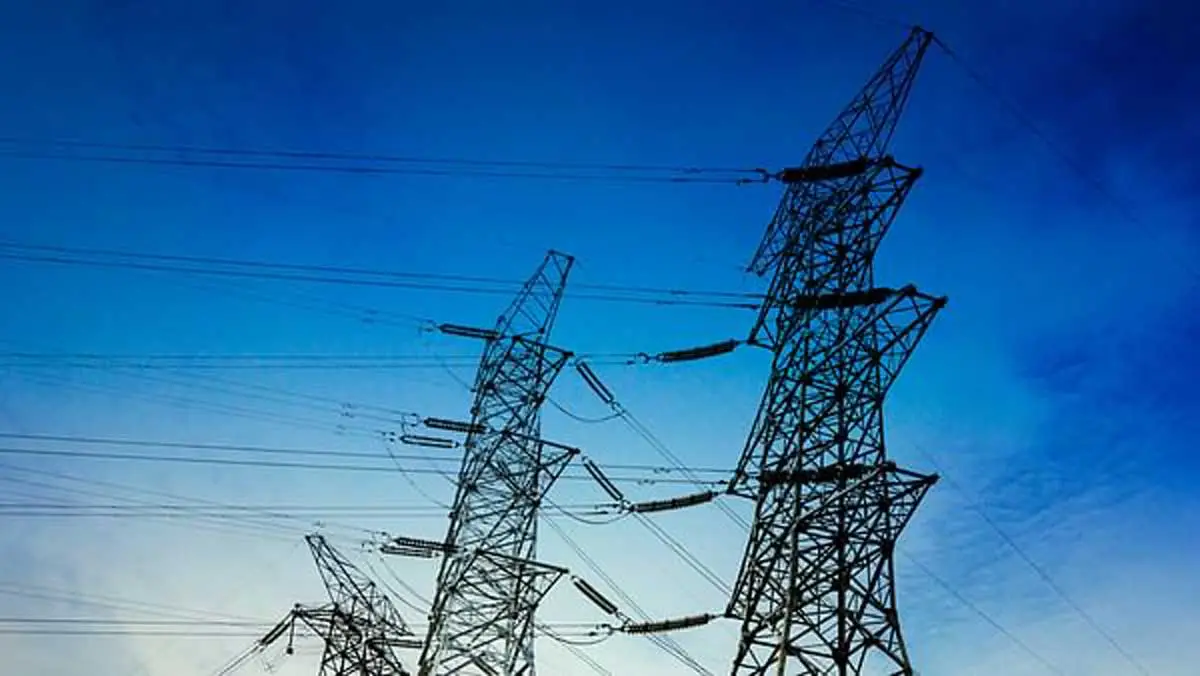
This new 400 KV transmission connection will help meet the city's growing electricity demand and will eventually increase electricity distribution to 15,000 MW.
If approved, this project could take four to five years to complete and cost around Rs 10 billion. The transmission line will be shaped like a ring with two hemispheres of 30 km each. When one hemisphere fails, the other acts as a failsafe.
Presently, 110 KV and 220 KV lines supply Mumbai's 3,500 Megawatt demand.
According to Tata Power, there will be no power shortages in Mumbai this summer and tax growth would be lower than national tax growth.
Tata Power is responsible for about 70% of mumbai's electricity transmission. Mumbai experienced a power outage on October 12, 2020 that lasted up to 12 hours in certain locations. After that, there were two more failures, both of lesser severity. Mumbai's peak power consumption is expected to reach 4,000 MW this summer, up from 3,300 MW in recent days as temperatures rise. Over the past five years, the company has invested Rs 23 billion in upgrading its transmission infrastructure, including replacing more than 90% of its legacy systems. The company plans to invest an additional Rs 7 billion in the coming fiscal year to improve its transmission capacity.

 910
910
 1698
1698

 23404
46799
23404
46799
 1509
2999
1509
2999
 899
999
899
999
 33166
66332
33166
66332
33166
66332
33166
66332
 34069
68199
34069
68199
 6700
12730
6700
12730
 38762
77524
38762
77524
 236
999
236
999
 1999
3500
1999
3500
 12829
25699
12829
25699
 24640
49280
24640
49280