Construction Industry News


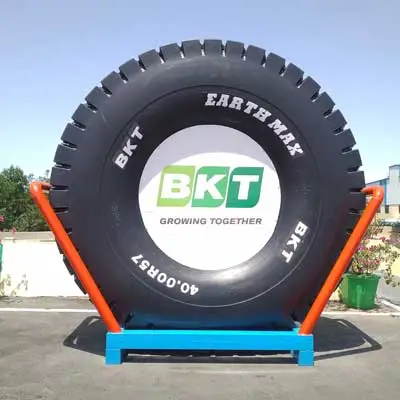
The Bhuj factory stood on a 123-hectare plot of land when the first tyre rolled off the production line in 2012. At the time, it represented a $500 million investment in a region of Gujarat's arid terrain. The land was completely dry and had no electricity or water, but after many kilometers of water and power lines were laid, it expanded rapidly, growing from 126 hectares in 2016 to 131 in 2019 to 137 in 2021 to 258 in 2022. A total area of 323 hectares is expected by the end of 2023, of which 283 have already been purchased.
More space means more opportunities to add new equipment, house additional test rooms, expand volumes and everything else that comes with it. Compared to the pre-pandemic phase, the company's revenue has increased by nearly 49 percent. The company's claim that this "testifies to how the Indian multinational is always ready for new opportunities and challenges" doesn't seem like just empty words. In real terms, the plant rose from 92 MT of production per day in 2015 to a gigantic 436 MT per day by the end of 2022, which was their best performance year ever.
In this factory there is much less product waste, which increases the sustainability of production and reduces production costs. In addition, processes are becoming more reliable, and the most important thing for BKT is that occupational risks are significantly reduced and employee comfort is reportedly improved.
 2219
2219
 4399
4399

 1879
3799
1879
3799
 3774
7999
3774
7999
 7089
14199
7089
14199
 7223
13002
7223
13002
 1617
1758
1617
1758
 3219
6399
3219
6399
 3269
6599
3269
6599
 18622
33899
18622
33899
 4296
8499
4296
8499
 1052
1551
1052
1551
 3650
4310
3650
4310
 12297
20000
12297
20000
 1526
3054
1526
3054
 442
1999
442
1999
 3399
5999
3399
5999