Construction Industry News


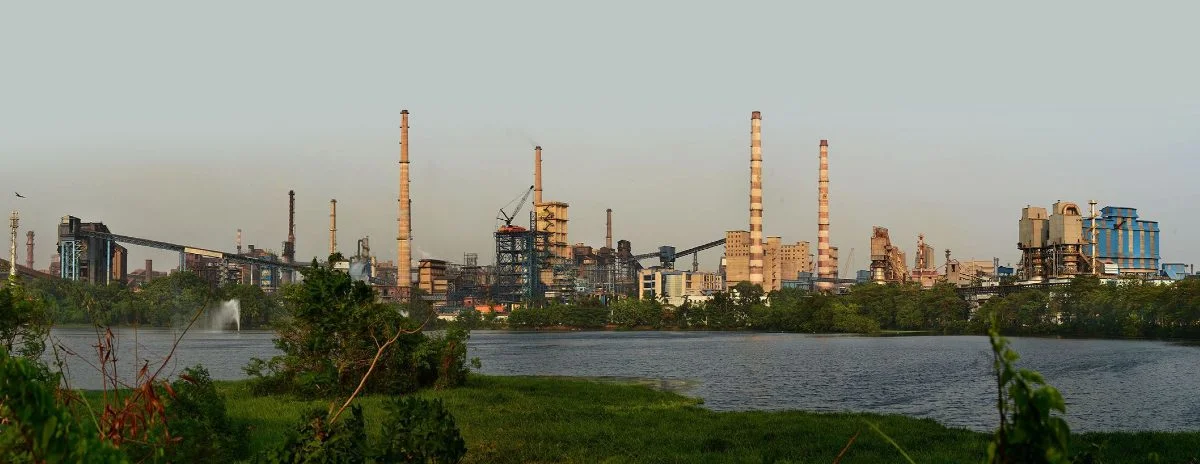
Tata Steel Ltd and ABB India have signed a Memorandum of Understanding (MoU) and will work together to co-create innovative models and technologies that help reduce the carbon footprint of steel production. ABB will bring global expertise in automation, electrification and digitalization to the mining and metals industries.
Tata Steel is among the leading global steel companies with an annual crude steel capacity of 35 million tonnes per annum and has committed to significant sustainability goals, including carbon neutrality by 2045. In line with its ambitions, the manufacturer The steel company has a medium-term objective of reducing CO₂ emissions from its operations in India to less than two tonnes of CO₂ per tonne of crude steel by 2025.
The two companies will focus on system-level assessments of Tata Steels factories and production facilities to jointly evaluate and develop short- and long-term options for energy efficiency, decarbonization and circularity.
ABB and Tata Steel will explore energy optimization through hydrogen as an alternative fuel for upstream processes and energy reduction and substitution through fully integrated digital and electrification systems, such as ABB Ability eMine and e-Mobility solutions and energy-efficient motors.
"Steel companies know that there are opportunities to improve their processes, and Tata Steel is one of the leaders in this movement towards energy efficiency and reducing carbon footprint," said Vipul Gautam, group vice president and global account executive. from Tata Group, ABB. “Figures from the World Economic Forum predict that the energy transition will require up to three billion tons of metals in the medium term; six times more mineral inputs by 2040 to achieve net-zero emissions globally by 2050. ABB is looking forward to working with our customers and partners to develop how steel production is boosted to help achieve environmental and production targets.”
To ensure sustainable growth, Tata Steel is working on deploying key enablers for far-reaching decarbonisation, including using more scrap in steel production, using alternative fuels such as natural gas and green hydrogen, use of renewable energy and the deployment of carbon dioxide. capture and storage/use technologies. The company hopes to increase capacity to 40 million tons by 2030; Therefore, this collaboration with technology partner ABB is an important factor in achieving sustainable growth.
According to various sources, including the International Energy Agency (IEA), the global steel industry contributes between 7 and 9 percent of global CO₂ emissions from fossil fuels.

 692
692
 1599
1599

 295
1650
295
1650
 32567
34567
32567
34567
 2339
4699
2339
4699
 692
1599
692
1599
 9873
19699
9873
19699
 649
1600
649
1600
 618
1200
618
1200
 375
1200
375
1200
 567
789
567
789
 692
1599
692
1599
 599
1299
599
1299
 399
999
399
999