
Construction Industry News


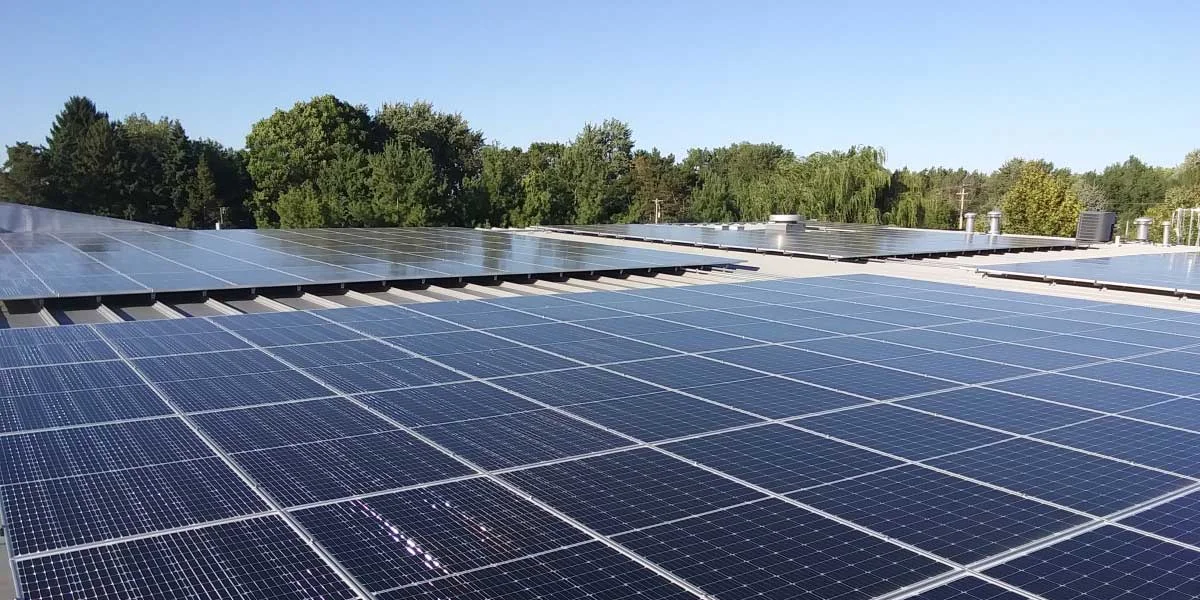
In Rajya Sabha, New and Renewable Energy Minister RK Singh announced that India has successfully achieved solar power capacity of 72.02 GW. This significant achievement spans multiple sources, including 55.71 GW of ground-based installations, 11.08 GW of rooftop installations, 2.55 GW of the solar component of hybrid projects, and 2.68 GW of off-grid solar. The minister shared this information in response to three different questions.
State-specific data shows a notable increase in solar capacity since fiscal year 2019-2020, with significant contributions from Gujarat, Karnataka and Rajasthan. The reactivation of the facilities can be mainly attributed to private sector investments, made possible by a transparent bidding process.
Additionally, northeastern states receive additional financial support for solar projects through the Rooftop Solar and PM-KUSUM programs. While the total budget allocation for solar energy in FY 2023-2024 is Rs 59.1725 crore, the distribution among states has not been specified.
The government has reaffirmed its commitment to the development of solar parks and solar megaprojects, with the ambitious goal of establishing at least 50 solar parks with a cumulative capacity of 40,000 MW. As of October 31, 2023, approvals have been granted for 50 solar parks in 12 states, with an approved capacity of 37,490 MW. Of them, 10,237 MW of solar energy projects have already been launched in 18 solar parks.

 188
 299

 29599
59199
 1100
1300

 8764
16021
 3420
4484
 60038
120076
 13419
26799
 1498
2847
 1699
3399
 1004
1706
 33144
66288
 1270
2159