Construction Industry News


Private equity inflows into the segment more than doubled in the year to around $900 million, the second highest after the office segment.
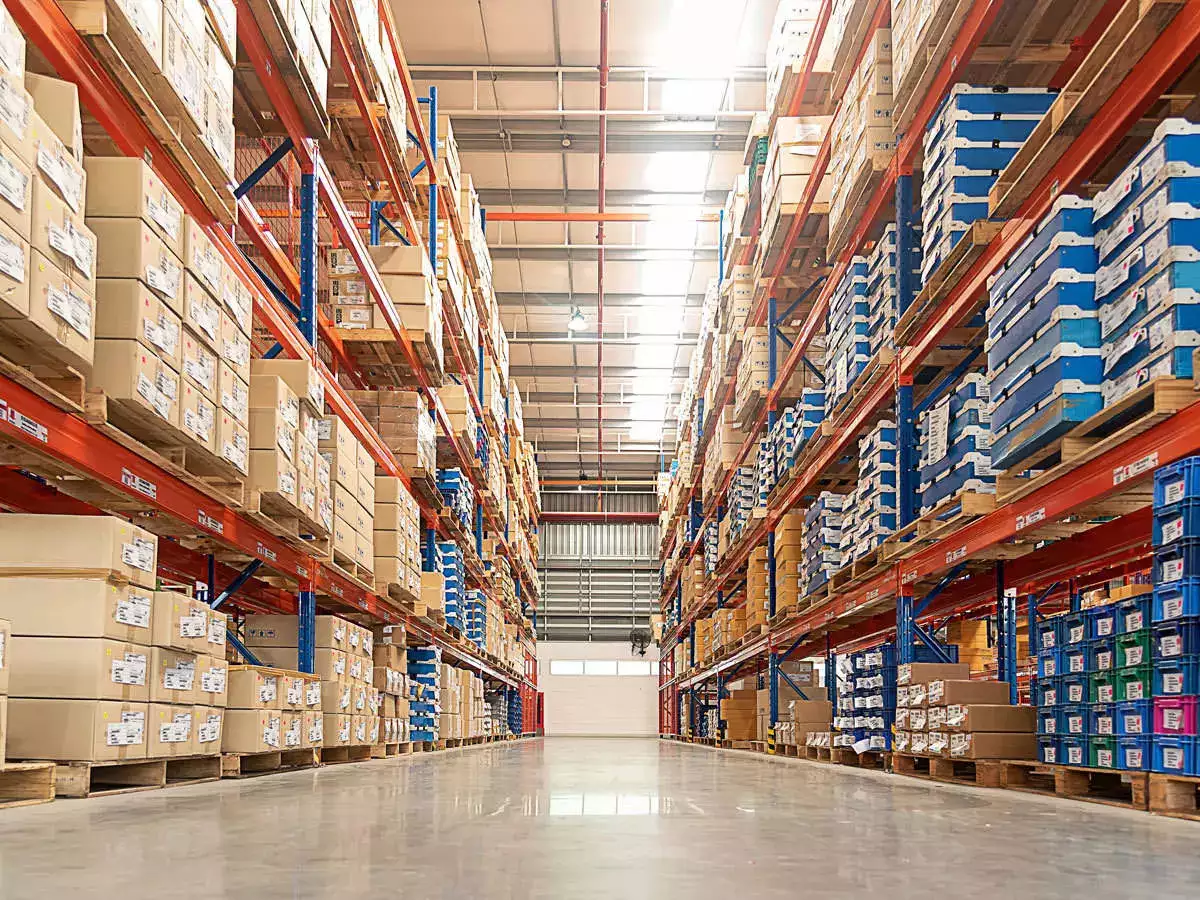
The warehousing and logistics sector in India is witnessing a boom in supply and demand. Some of the biggest global names in the sector and private equity giants are struggling as they look to strengthen their presence by setting up industrial parks and centers across the country.
In 2023, industrial and storage leasing transactions rose 8% year-on-year to a record 39 million square feet across eight major cities in the country, according to real estate consultancy CBRE South Asia. The total supply of industrial and logistics space reached a record level of 36 square metres.
Private capital inflows into this sector doubled during the year, reaching about $900 million, the second highest figure after the office sector.
Among the largest deals in this sector last year were Blackstone's purchase of some of the assets of Trans India Real Estate Company for $79 million, Morgan Stanley's $36 million investment in the Barakhyat Group's warehousing project near Mumbai, and IndoSpace's purchase of Amazon's eight-thousand-square-foot fulfillment center. Box in Hyderabad from GMR company. The group is valued at $23 million.
US private equity giant Blackstone, Asia Pacific's largest real estate asset management group ESR, and Singapore-based CapitaLand are among the global names investing in the creation and development of integrated industrial and logistics parks.
There are also local companies, such as Everstone-backed IndoSpace, Mumbai-based Lodha Group, and TVS Group in the south, which already own millions of square feet of warehouse space and are investing billions of dollars to set up integrated parks that serve as manufacturing. Storage and distribution centers.
Blackstone's Horizon Industrial Parks has 17 industrial and logistics parks in eight cities, spread across more than 1,000 acres, with development potential of up to 25 square feet. The private equity giant, a major investor in India's commercial real estate sector, sees India's warehousing and logistics sector as a key driver of growth.
ESR India, a joint venture between ESR Group and Allianz Real Estate, has parks in 10 cities and 21 projects underway with a total area of 22 sq. ft. ESR Group has another joint venture with Singaporean sovereign wealth fund GIC to acquire income-generating industrial and logistics assets in India. Last October, it acquired 58 acres of land in Nagpur to set up a logistics park with 1.4 sq ft of leasable area. In 2022, it signed a memorandum of understanding with Karnataka to invest Rs 2,500 crore in industrial parks, among other infrastructure.
Among the national and largest players in the sector, IndoSpace has a portfolio of 51 parks with 58 multi-parks in 11 cities. At the recently concluded World Economic Forum in Davos, it signed an agreement with the Maharashtra government to invest Rs 700 crore in expanding its facilities in the state.
Macrotech Developers (Lodha Group) has partnered with Ivanhoé Cambridge and Bain Capital to develop the Lodha Industrial and Logistics Park, investing approximately $1 billion to create 30 square feet of assets. This company acquired an 8-acre land in Kurla, Mumbai to set up an industrial park. Pallava has joint ventures with ESR Group and Morgan Stanley for these parks.
Demand for warehouse space is driven by third-party logistics companies, which account for 45 percent of leases.
According to CBRE, the trend toward more structured operating models from industries such as retail, consumer goods and manufacturing is driving demand for efficient last-mile delivery solutions, and warehouse solution providers are actively exploring markets to meet this demand.
Various sectors, including e-commerce, retail, and manufacturing, are outsourcing their supply chain operations to 3PL companies to meet warehousing requirements, increase flexibility, and reduce costs.
A large portion of occupiers are local companies, with engineering and manufacturing companies accounting for 17 per cent of rents, up from 15 per cent in 2022 and 10 per cent in 2021.
Government initiatives such as multimodal logistics parks, electric mobility, mega-factories and the rise of express trade will serve as growth drivers for warehouses in the short and medium term.
Colliers noted that sector consolidation also plays a role, which will lead to institutionalization, paving the way for new technologies and REITs.

 13250
13250
 18929
18929

 2400
8000
2400
8000

 1813
3699
1813
3699
 12300
24599
12300
24599
 9291
14986
9291
14986
 13300
26599
13300
26599
 8969
12999
8969
12999
 7696
9995
9291
14986
7696
9995
9291
14986
 15308
24690
15308
24690
 1199
1599
15005
24599
1199
1599
15005
24599
 1200
2399
1200
2399
 2679
3999
2679
3999