Construction Industry News


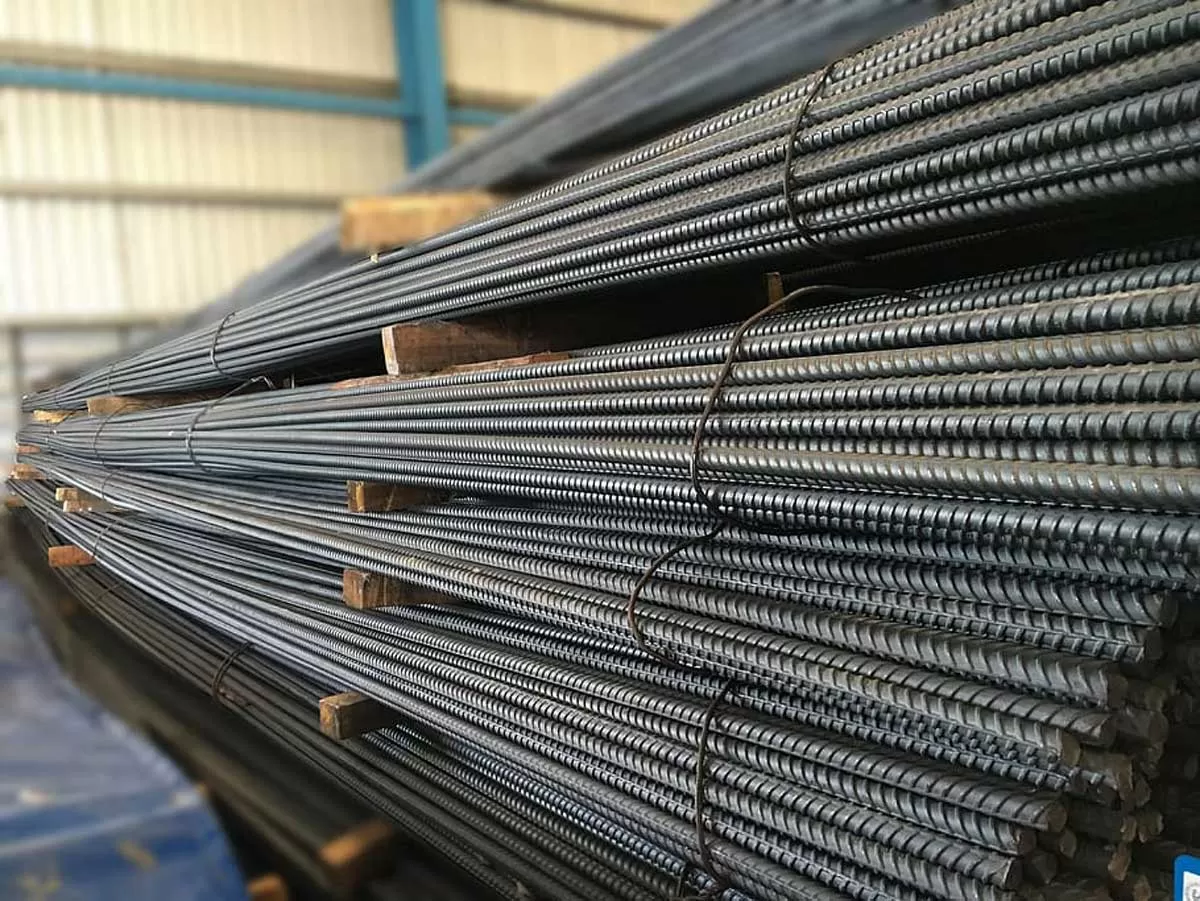
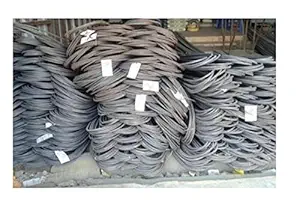
The Ministry of Road Transport and Highways (MoRTH) is focusing on the use of stainless steel in bridge construction to combat corrosion, a growing problem linked to climate change. With recent bridge collapses highlighting the vulnerability of existing infrastructure to corrosion and extreme weather conditions, the ministry is promoting the adoption of sustainable materials like stainless steel to ensure the longevity and safety of India’s critical transport infrastructure.
Bridge Collapses and Climate Change: Recent incidents of bridge collapses across the country have raised concerns about the durability of current building materials, with corrosion cited as a major cause. Climate change, leading to harsher weather patterns and higher humidity levels, has accelerated the deterioration of key infrastructure. This has prompted MoRTH to consider long-term solutions to address these challenges.
Corrosion: A Growing Concern: Corrosion of structural materials has become a serious problem, especially in coastal and humid areas. The ministry has recognised the need for a more resilient approach, with emphasis on the use of stainless steel, which is known for its corrosion resistance. This shift is seen as crucial to ensuring the longevity of India’s bridges and reducing maintenance costs in the long run.
Stainless Steel for Bridge Construction: Stainless steel is initially more expensive, but offers long-term savings due to its durability and resistance to environmental factors such as moisture and salt. The ministry advocates the use of the material in future bridge projects, especially in areas prone to corrosion. Stainless steel is seen as a solution that can withstand the pressure of both natural elements and increasing traffic loads.
Proactive steps by the government: The government through MoRTH has started consulting experts in metallurgy and civil engineering to explore the expanded use of stainless steel. They are considering updates to building standards and specifications to include this material in new and renovated infrastructure projects.
Economic Considerations: While the initial investment in stainless steel may be higher than conventional materials, the reduced need for repairs and replacements makes it a cost-effective option in the long run. This approach also aligns with the government’s push for sustainable infrastructure that can withstand the test of time and the effects of climate change.
Future of India’s Infrastructure: With the push for stronger, more sustainable infrastructure, the ministry’s move to use stainless steel for bridge construction marks a shift towards building climate-resilient structures. The use of this material is expected to not only improve the safety and longevity of bridges but also reduce the financial burden on the government for constant repairs.
Industry Perspective: The stainless steel industry sees this shift as an opportunity to expand its market, particularly in the infrastructure sector. Stakeholders are working with government to demonstrate the benefits of stainless steel and advocate for its greater use, not just in bridges, but in various infrastructure projects.
Conclusion: In response to the growing threat of climate change and its impact on infrastructure, the Ministry of Road Transport and Highways is prioritizing the use of stainless steel in bridge construction to prevent corrosion and ensure the long-term durability of key transportation structures.

 155
155
 0
0

 250
600
250
600
 245
999
245
999
 289
1799
289
1799
 1163
1469
1163
1469
 399
990
399
990
 670
1200
670
1200
 469
999
469
999
 540
990
540
990
 399
799
399
799

 359
999
359
999
 3450
3500
3450
3500