Construction Industry News


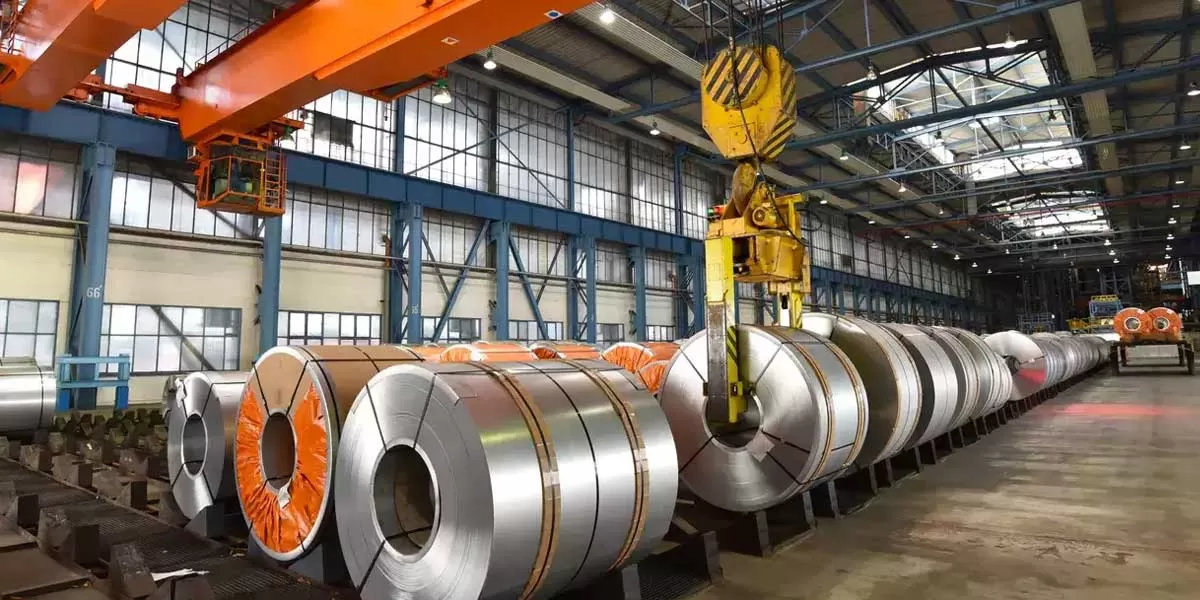
The EU Emissions Trading System (ETS), launched in 2005, is a key part of the European Union's climate change strategy and remains the world's largest carbon market. Under the system, producers within the EU must offset their carbon emissions by purchasing allowances from the EU ETS. This has led some companies to relocate their operations to regions with less stringent emissions regulations to save costs, a phenomenon known as 'carbon leakage'. To combat this, the EU has introduced a 'carbon tax' on imported goods, which is applied to products from countries with lower emissions standards than the EU to prevent highly emissions-intensive imports.
Building on this, the European Commission has proposed the world’s first ‘carbon border tax’ targeting imports of carbon-intensive products such as steel, hydrogen, cement, fertilisers and aluminium, in line with the EU’s climate goals. This tax is based on the EU’s domestic emissions regulations and includes charges for exceeding emissions limits. The Carbon Border Adjustment Mechanism (CBAM), which targets these sectors, is expected to impact around 4% of the EU’s total imports by value.
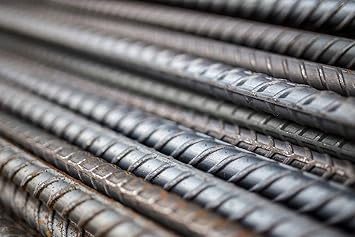
India’s steel exports to Europe, which accounted for over 20% of India’s total steel exports in the first half of FY25, could be significantly affected. Italy, Belgium, Spain and the UK are among the top destinations. India’s steel production emits 2.6 tonnes of CO2 per tonne of steel, higher than the global average of 1.85 tonnes, giving the EU a reason to impose higher duties on Indian products. According to ICRA, the CBAM framework could impact 15-40% of India’s steel exports to Europe, with the impact expected to be felt from 2026 to 2034. Notably, the US and Singapore are also likely to implement similar policies.

 9859
9859
 15774
15774

 8998
17995
8998
17995
 350
900
350
900
 1599
2099
1599
2099
 6649
18899
6649
18899
 1599
3199
1599
3199
 279
599
279
599
 7999
9999
7999
9999
 8609
17199
8609
17199
 9441
0
9441
0
 325
999
325
999

 1790
2166
1790
2166