Construction Industry News


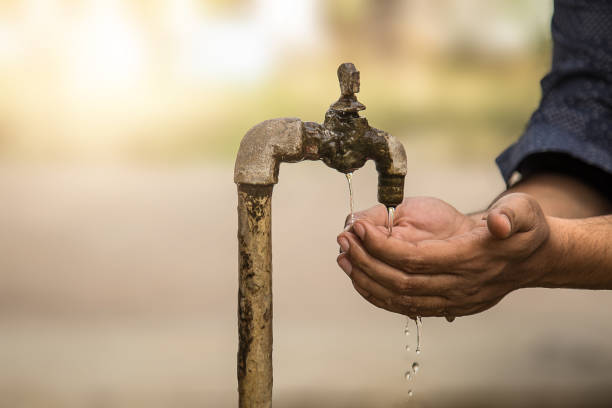
Gujarat is rapidly expanding access to drinking water for rural households after ensuring 100% tap water supply in rural households in six districts of Anand, Botad, Gandhinagar, Mehsana, Porbandar and Vadodara and more than 90% in 17 districts of Morbi, Jamnagar, Patan, Bharuch, Dang , Junagadh, Gir Somnath, Kachchh, Rajkot, Ahmedabad, Navsari, Amreli, Banas Kantha, Bhavnagar, Surat, Surender Nagar and Kheda.
In the state, about 90% of rural households have access to tap water. By October 2022, the state aims to reach 100% saturation.
In the villages of Bhavnagar district, dual source planning is used. Water from open wells, which reached 8 to 18 feet in October this year after a good monsoon, is used for drinking water supply. Villages draw water from the Mahi Pariage Regional Water Supply Scheme, the system draws water from the Mahi River and from Narmada when needed during the dry months. The GWSSB supplies water to village level. Rainwater harvesting is also practiced by a large number of rural households in the district.
The Water and Sanitation Management Organization (WASMO) is responsible for the technical aspects of JJM implementation at the village level. The Gujarat-based Coastal Salinity Prevention Cell (CSPC), which has a long history of working with rural communities in Gujarat on drinking water supply and access, stormwater harvesting and water management, leads the program's IEC activities, community mobilization, and training programs for Pani Samitis - and Gram Panchayat members in the Talaja and Mahuva blocs of Bhavnagar district.
When JJM was launched in August 2019, approximately 85% of rural households in Bhavnagar had access to clean drinking water. Communities were familiar with participatory planning, even in villages where there was no access to running water. Previous opportunities for domestic drinking water supply through pipelines were missed by these villages, either due to a lack of community consensus on a 10% contribution to the cost of water supply works in the village and payment of monthly O and M costs, or due to a lack of motivation to continue the scheme. These villages are eager to receive their JJM in-village programs and are actively cooperating with the government and their program Implementation Support Agency.

 410
410
 999
999

 1000
1999
1000
1999
 468
900
468
900
 1089
2199
1089
2199
 1133
1799
1133
1799
 6890
13780
6890
13780
 197
217
197
217
 79
90
79
90
 7659
15299
7659
15299
 6959
13899
6959
13899
 1299
1999
1299
1999
 4220
6029
4220
6029