Construction Industry News


Danfoss India's commitment to water conservation and sustainability has been recognised with the LEED Zero Water certification for its Chennai campus. The project team implemented various measures and strategies to achieve the certification.
The Chennai facility has embraced several practices that encourage a circular economy of water and optimal use of the available water resources on campus. Rainwater and purified water collected on campus provide a significant portion of the buildings' drinking water and process water needs, minimizing dependence on municipal water supply. Although a minimum amount of water is obtained from the municipality in the summers, excess rainwater is purified and shared with the municipality on rainy days, ensuring a water balance status of zero.
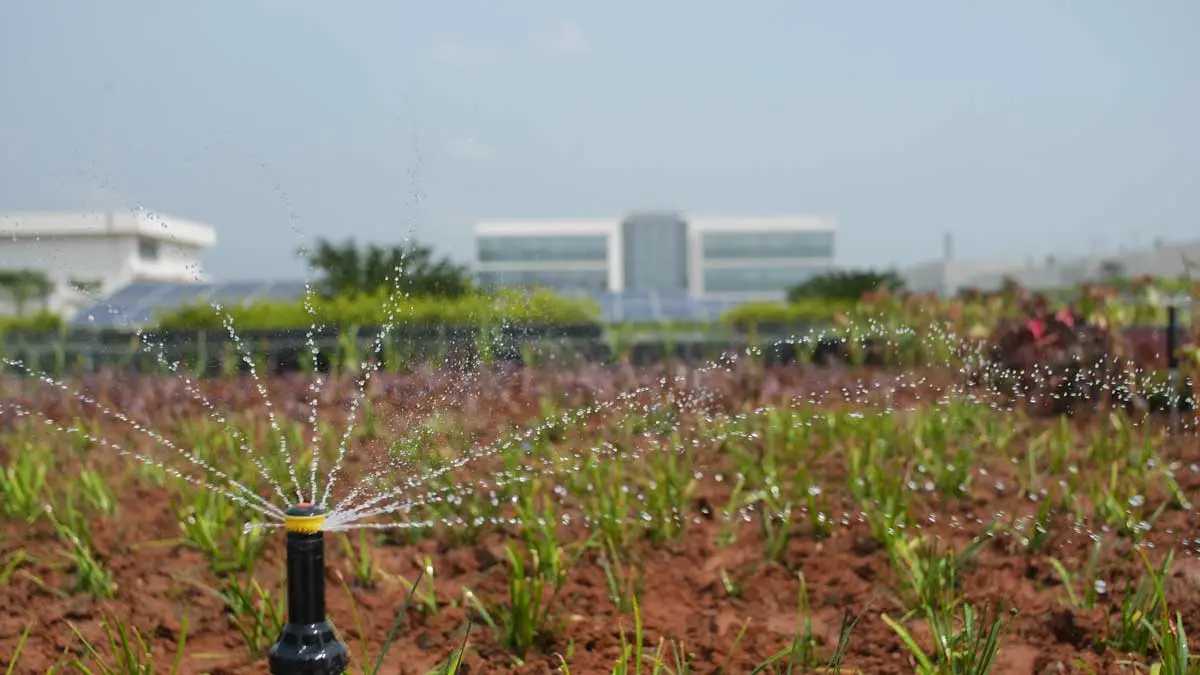
The water sustainability practices on campus, including a rainwater collection pond, IoT-based measures to reduce domestic water leakage, low-flow aerators equipped with car sensor faucets and effluent treatment plant (ETP) and sewage treatment plant (STP) systems, facilitate the treatment and reuse of domestic wastewater. The campus also has zero liquid discharge (ZLD) installations and sprinkler and drip irrigation systems to minimize water consumption and runoff.
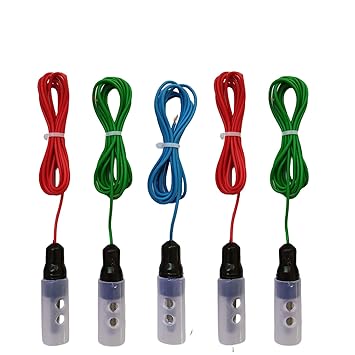
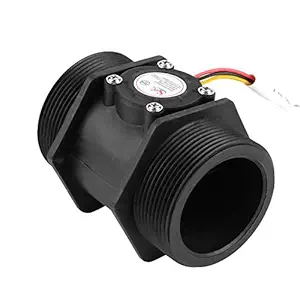
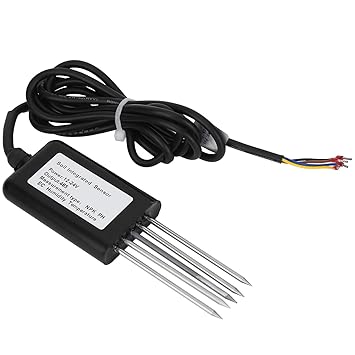
The IoT-based solution involves the use of more than 300 sensors spread across the 50-acre campus to reduce water intensity by about two-thirds over the past four years. Digitization efforts in measuring resources and consumption, changing user behavior, and technological intervention have all contributed to the success of the initiative.
CW spoke with Ravichandran Purushothaman, President, Danfoss India Region, about the finer aspects of the project.
 362
 697

 8899
15000
 2272
0
 6618
13236
 990
2250
 3019
5999
 285
999
 356
699
 5819
11599
 5262
18399
 3199
6999
 999
1999
 2262
4524
 27399
54799
 1000
1999
 288
300
 279
499