
Guruji Plantation Amaranth Medicinal Vegetable Live Outdoor Plant for Home and Garden with Pot (Pack of 1) (Amaranthus Cruentus)
Construction Products

Buy Online Guruji Plantation Amaranth Medicinal Vegetable Live Outdoor Plant for Home and Garden with Pot (Pack of 1) (Amaranthus Cruentus) from IndianConstructionIndustry.Com in Association with Amazon India
Home » Landscape » Plantations » Guruji Plantation Amaranth Medicinal Vegetable Live Outdoor Plant for Home and Garden with Pot (Pack of 1) (Amaranthus Cruentus)

Product Description :
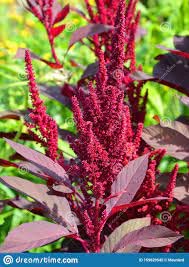
Amaranth plants typically are annuals or short-lived perennials. The stems often are reddish in colour and sometimes are armed with spines; they bear simple alternately arranged leaves and often feature a pinkish taproot. The Amaranthus genus is a complicated one featuring at least 75 annual and short-lived perennial species that easily cross-breed and hybridize. Today, most gardeners are familiar with the species as annual ornamental plants and many don't realize that amaranths are also edible plants that can be grown for their grain-like seeds and edible leaves. Culinary use was once the primary reason amaranth was grown as a staple in home cottage gardens. The use of amaranth as an ornamental plant is a relatively recent development in the plant's history. Amaranth are characterized by large, broad leaves with prominent veining. Each plant produces a single flower at the end of the tall reddish stem. Colors are usually burgundy, red, pink, or salmon. Amaranth grows well in any average well-drained soil, so make sure the site you choose has good drainage and air circulation. To ensure continued production, it's a good idea to stagger planting every two to three weeks, beginning a week or two after the last frost date in your region. While amaranth plants are tall, they arent necessarily wide or bushy, so you can plant them 10 to 18 inches apart. The closer you plant them, the better they look once fully grown. At the same time, they need enough space to provide good air circulation. Amaranth does best in full sun in the northern part of its range, but in warm southern climates, it can benefit from some shade in the afternoon. Generally, plant amaranth in a location where it will receive at least six hours of sunlight each day. Amaranth grows well in average soils and will even grow adequately in poor soils. Only dense clay mixtures are likely to be completely unsuitable for amaranth, though very rich soils might hinder flowering and seed production.
Product Details :
- Plant or Animal Product Type : Vegetables
- Indoor/Outdoor Usage : Outdoor, Indoor
- Brand : Guruji Plantation
- Material Feature : GMO Free
- Colour : Multicolour
- Special Feature : Pet Friendly
- Expected Blooming Period : All
- Item Weight : 490 Grams
- Sunlight Exposure : Full Sun
- Net Quantity : 1.00 count
- Expected Planting Period : Summer
- Product Care Instructions : Mature Size - 24 ft. tall, 1-2 ft. wide, Sun Exposure - Full sun to partial shade, Bloom Time - Summer, fall, winter, Soil Type - Moist but well-drained
- Expected Plant Height : 30 Centimetres
- Soil Type : Well-draining soil
- Moisture Needs : Regular Watering
- Number of Pieces : 1
- Manufacturer : Guruji Plantation
- Country of Origin : India
- Item model number : Amaranth Medicinal Vegetable Live Plant
- Product Dimensions : 10 x 10 x 25 cm; 490 Grams
- ASIN : B0BXJ3HCZQ
Product Features :
- 1 amaranth vegetable plant Indoor Plant + 1 Plastic Pot (4 Inch).
- Approx Size: Length 30 x Width 12 x Height 12 cm.
- 5-6 hours of daily sunlight.
- Amaranth is a drought-tolerant plant, yay! The main time to focus on watering your plants is when the seed is germinating and when they are young seedlings. You will want to keep the soil moist, and once plants are 2-4 inches tall, you can water 1-2 times a week.
- Amaranth plants are a cut and come again crop which will yield numerous stems of gorgeous cut-flowers! Starting-Start seed indoors 1-2 weeks before last frost. Plant out after all danger of frost has passed.
- Can I grow amaranthus in containers? Yes, be sure the container is large enough for the variety, and use a commercial potting mix. Can I use amaranthus as a cut flower? Yes, and you can use it as a dried flower as well.
Compare With Similar Items
Price:  299
299
 999
999
299
999
You Save: -70%
-70%
Price: 299
999
299
999
You Save: -70%
-70%
Price: 499
999
499
999
You Save: -50%
-50%

If you have a business establishment in india,
Contact us
to list your business related to any construction categories.Browse by Topic
Construction Events
To Know more about the events about Air Conditioners, Basements, Bathrooms, Bedrooms, Cabinets, Decorating, Design Plans, Doors, Electrical Lightings, Flooring, Home Security, Kitchen, Landscape, Painting, Plumbing, Fixtures and many more..


© 2007 - IndianConstructionIndustry.com. All Rights Reserved