
Indian Construction Directory

















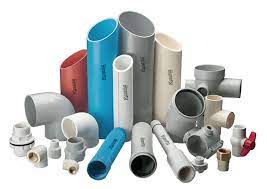
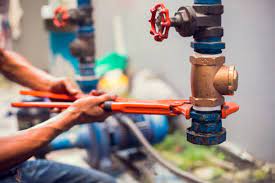
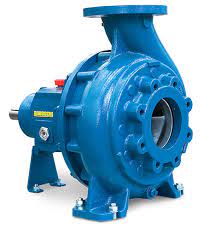















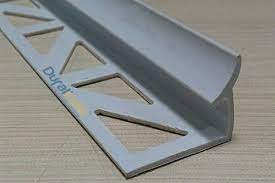
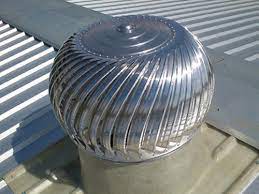
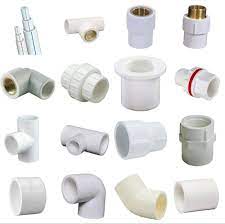
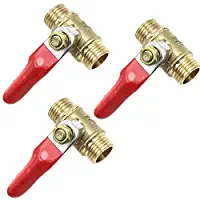





Amazon Products Related to Construction Category
Indianconstructionindustry.com is a website brought to you by Webbuild Technologies to provide directory of Indian construction industry websites, Construction News and profiles of Indian Businesses. Webbuild Technologies also provides IT solutions for Small and Medium Businesses in India.
Construction Directory
Indianconstructionindustry.com construction directory provides links to more than 5000 Indian Business websites in 120 Major and 300 sub categories. Categories include Accoustic Thermal, Admixtures, Air Compressors, Builders, Construction Equipment, Consultants and more.
Steel Directory
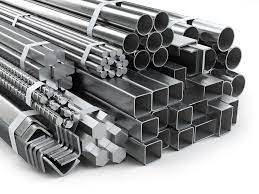
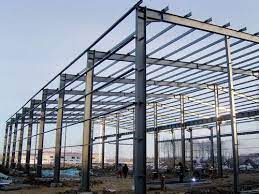
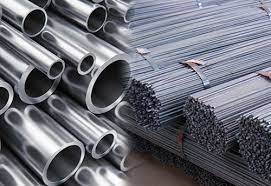
Indianconstructionindustry.com Steel Directory provides contact information of Steel Manufacturing Companies, TMT Bars manufacturing companies, steel appliances and more...
Cement Directory
Business Profiles section of Indianconstructionindustry.com provides detailed business summary of the Cement companies located in India. Details include company addresses, contact persons and their email addresses, products and services summary, details on executive team and more. To submit your company business profile, please complete and send the registration form provided on Indianconstructionindustry.com website. Your company products and services will be easily accessible to thousands of Indianconstructionindustry.com users everyday.
Water Treatment System
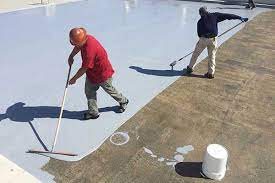
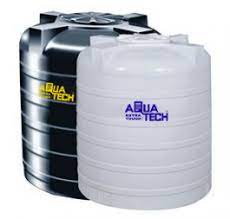
Indianconstructionindustry.com Watertreatment Directory provides contact information of Water Management System related businesses such as water Purifiers, Water Proofing Membranes, Water Stoppers, Water Tanks and more.
Construction Equipment
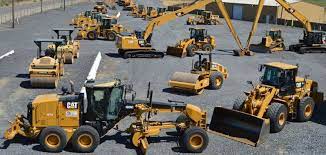
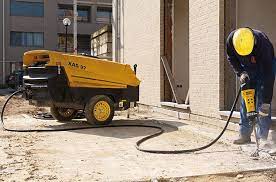
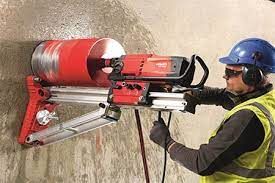
Indianconstructionindustry.com Construction Equipment Directory provides contact information of Manufacterers of different construction machinery manufacturers, provides information of construction machineries in major cities of India. Cities include Agra, Ahmedabad, Amritsar, Bangalore, Bhopal, Bhubaneswar, Chennai, Coimbatore, Goa, Hyderabad, Jaipur, Kolkata, Lucknow, Mumbai, New Delhi, Pune, Srinagar, Surat, Thane, Thiruvananthapuram, Tirupati, Vijayawada, Visakhapatnam and more.
Construction Materials
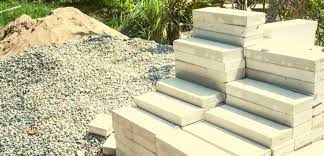
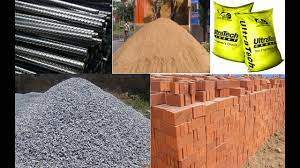
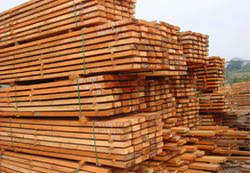
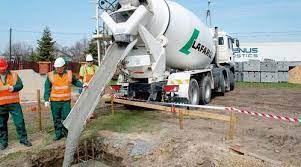
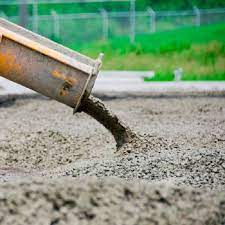
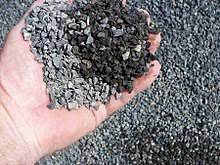
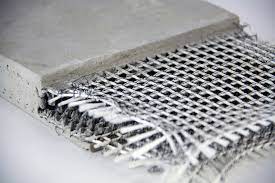
Indianconstructionindustry.com Construction Materials Directory provides contact information of Construction related materials like Sand, Concrete, Stones, Steelin major cities of India. Cities include Hyderabad, Vijayawada.












Other Directories
Overview
Indian Construction Industry OverviewConstruction Products
About Architect, Flooring, Interior Decorator Designer, Painting Contractor Industrial General, Polisher etc..Infrastructure Directory
Aviation, Bridges, Power and Energy, Railways, Recreation Facilities, Roadways, Telecommunications, Waste Management, Water Infrastructures etc..Construction Photo Gallery
Airports, Bridges, Buildings, Railway Stations, Museums, Historicals, Trade Centres, Temples e.t.c..Indian Paint Industry
Paint Industry has a bright futureConsultants
Consultants,Project Management Consultants in IndiaJobs
Equipment, Chemicals, Manufacturers and Suppliers in India.Tenders
Tenders, Tender Notices in India.Real Estate in India
Real Estate directory of India. Find agents, builders and suppliers.Neighbour Countries
Manufacturers & Suppliers Directory for Pakistan and other Conutries Sri Lanka.Horticulture Directory
Manufacturers and Suppliers related to Agriculture Industry India.Home Tips For
Air Conditioners, Appliances, Basement, Bathrooms, Bedroom, Cabinets, Decorating, Design, Plan and Build, Doors, Electrical & Lighting, Flooring, Home Security, Kitchen, Landscape, Paints and Painting, Plumbing & Fixtures, Pools & Spas, Home Finance.Articles
Construction Aricles, Home And Kitchen Articles.Premium Listings
Registered Profiles from Indian Construction Industry
Browse by Topic
Construction Events
To Know more about the events about Air Conditioners, Basements, Bathrooms, Bedrooms, Cabinets, Decorating, Design Plans, Doors, Electrical Lightings, Flooring, Home Security, Kitchen, Landscape, Painting, Plumbing, Fixtures and many more..
























© 2007 - IndianConstructionIndustry.com. All Rights Reserved